Overview
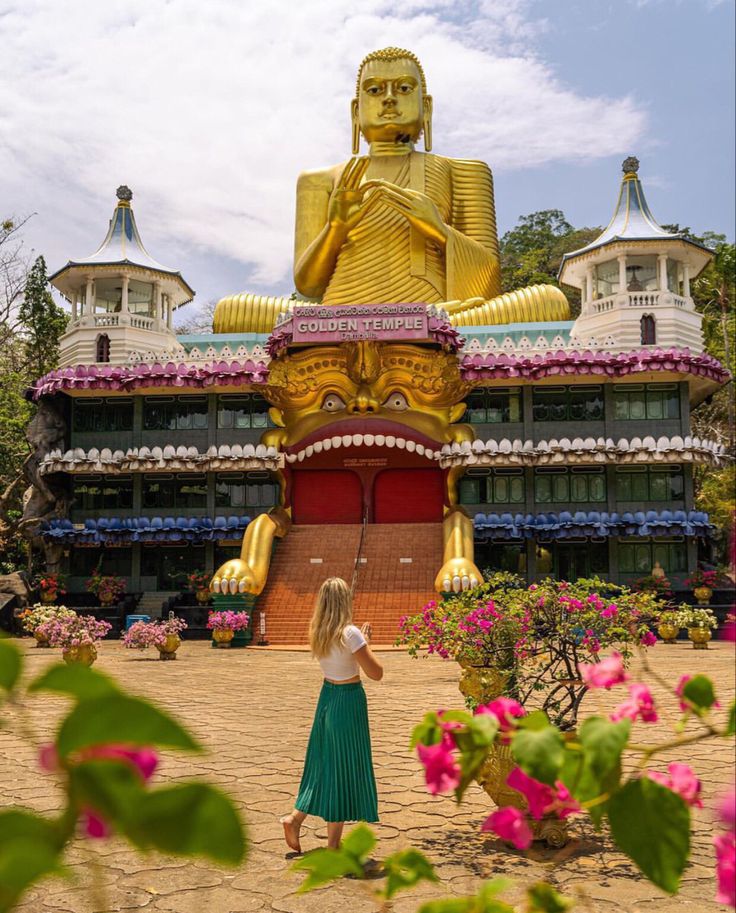
Dambulla Cave Temple, also known as the Golden Temple of Dambulla, is one of the most significant and well-preserved religious and historical sites in Sri Lanka. Located in the Central Province, near the town of Dambulla, this remarkable temple complex is a major pilgrimage destination and a popular attraction for both local and international visitors. With a history spanning over 2,000 years, the temple stands as a symbol of Sri Lanka’s rich Buddhist heritage, artistic excellence, and cultural traditions.
The origins of the Dambulla Cave Temple date back to the 1st century BC during the reign of King Valagamba. According to historical records, the king sought refuge in these caves for many years after being driven from his kingdom. Once he regained the throne, he transformed the caves into a magnificent temple complex as a gesture of gratitude. Over the centuries, successive kings expanded and enhanced the temple, adding statues, paintings, and decorative elements that contributed to its present-day grandeur.
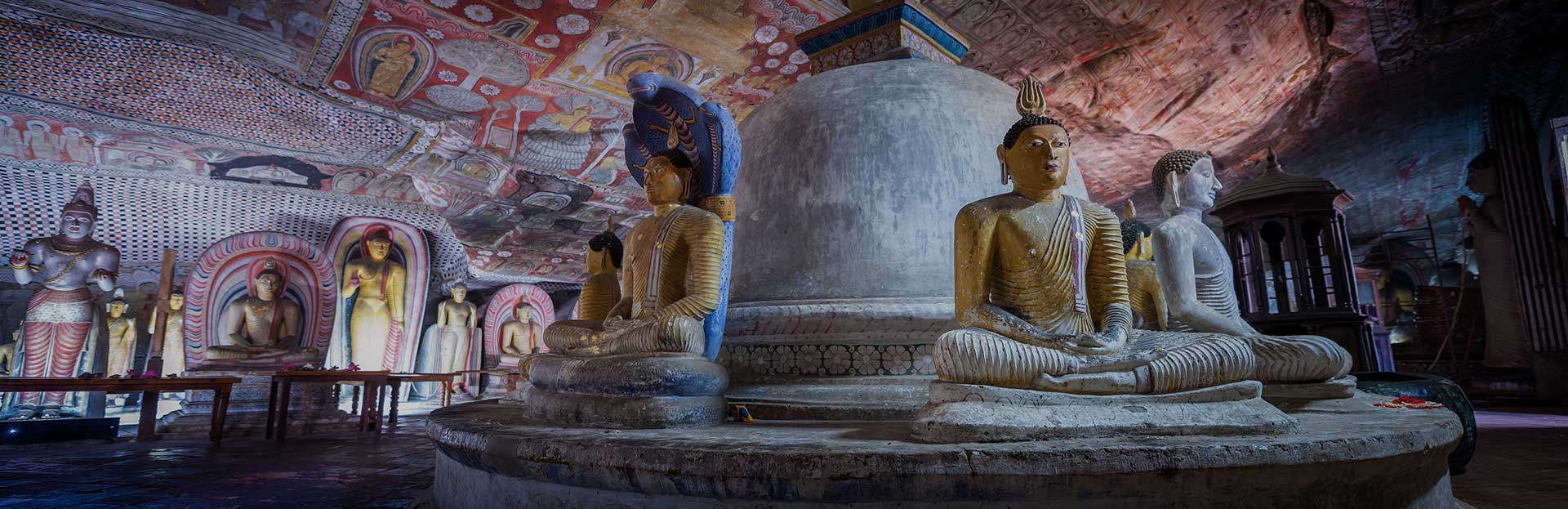
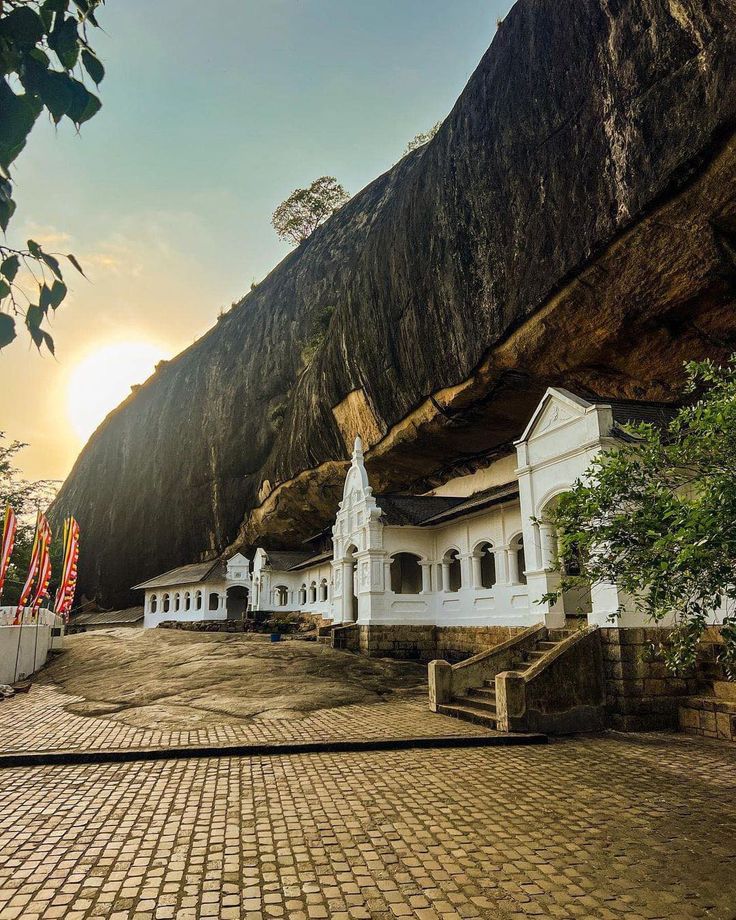
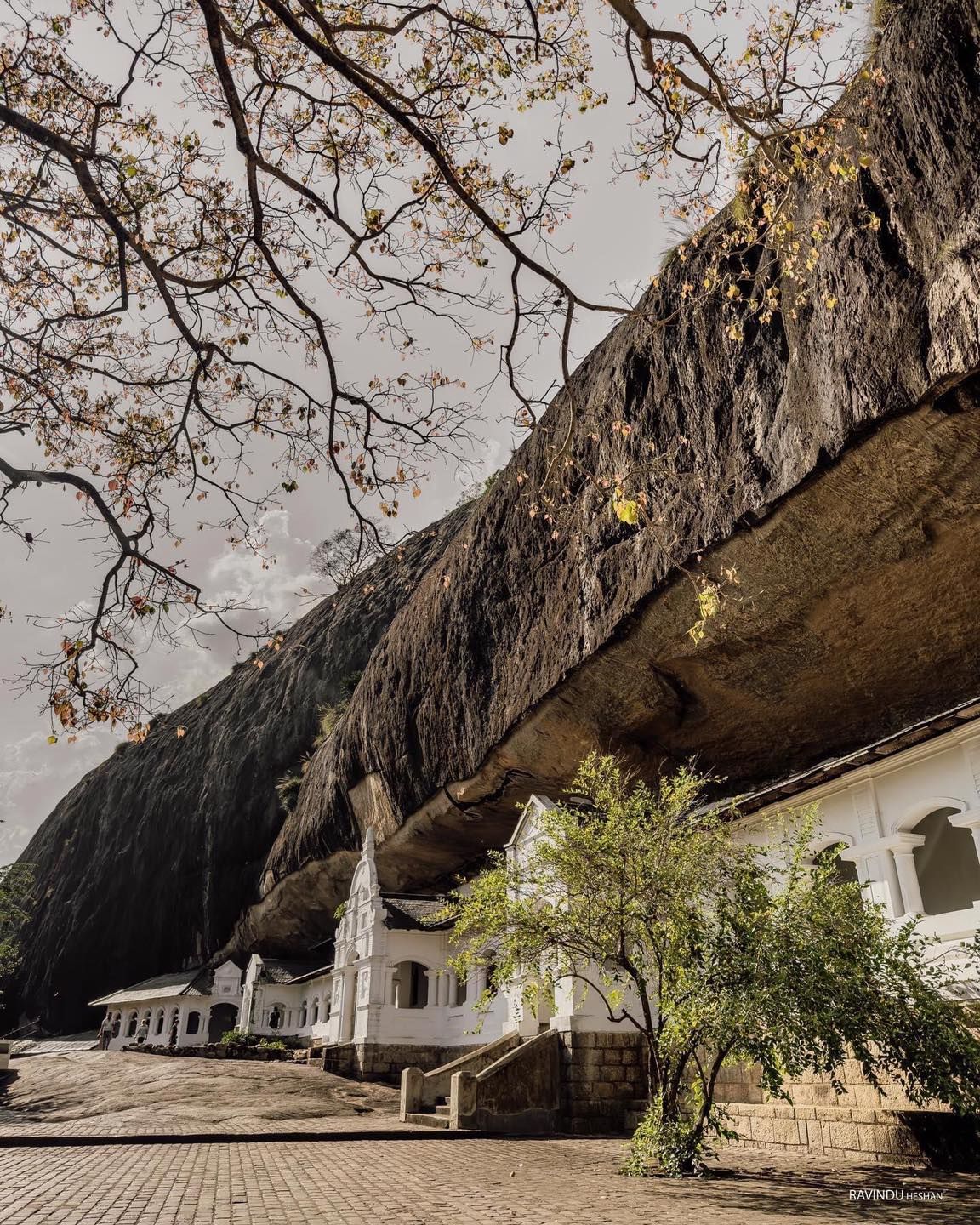
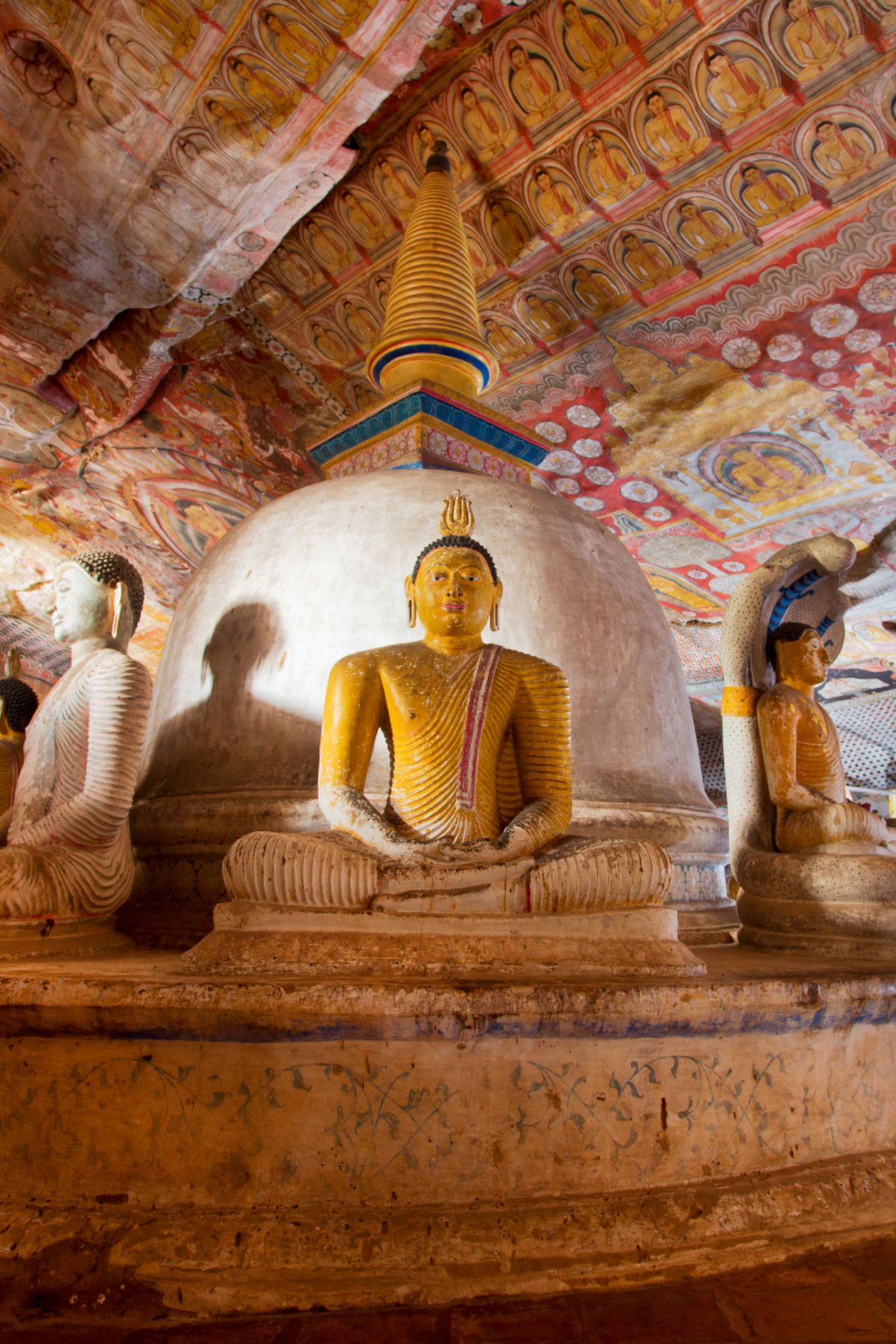
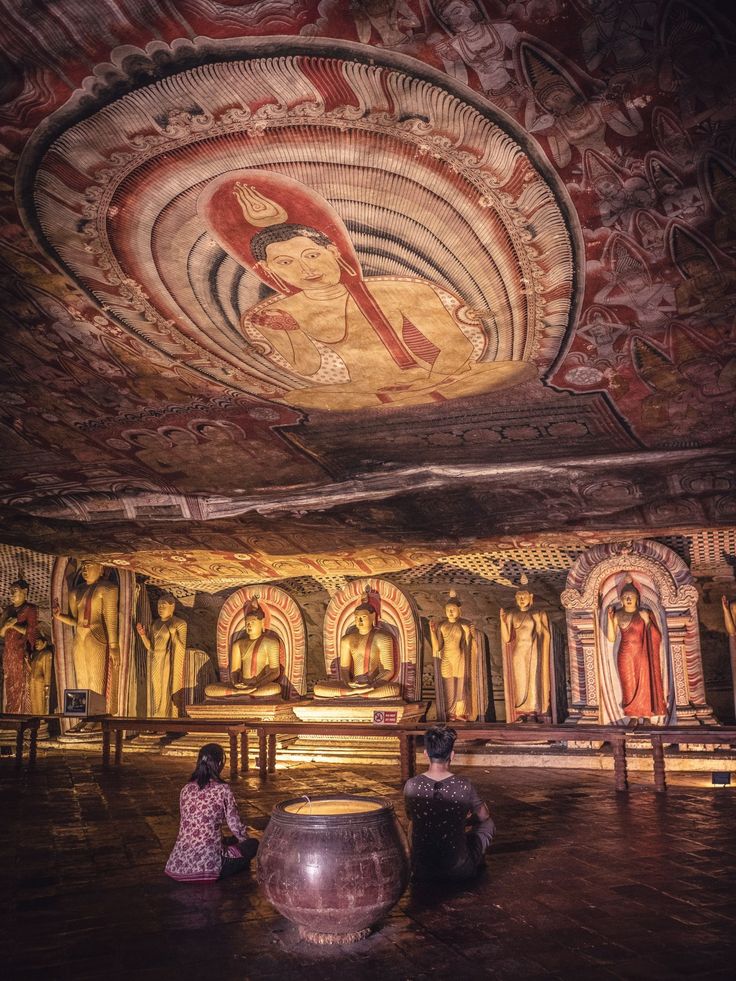
The temple complex consists of five main caves carved into a massive rock formation that rises approximately 160 meters above the surrounding landscape. Each cave contains an impressive collection of Buddhist statues, murals, and religious artworks. In total, the temple houses more than 150 statues of the Buddha, along with statues of kings, deities, and important figures from Sri Lankan history. These sculptures vary in size and style, reflecting different artistic periods and influences throughout the centuries.
One of the most remarkable features of the Dambulla Cave Temple is its extensive collection of ancient murals. The cave ceilings and walls are covered with colorful paintings that depict scenes from the life of the Buddha, important events in Buddhist history, and traditional religious stories. These murals cover thousands of square meters and represent some of the finest examples of Buddhist art in South Asia. The vibrant colors and intricate details continue to impress visitors despite their great age.
The largest and most impressive chamber is the Cave of the Great Kings, which contains numerous Buddha statues and beautifully preserved paintings. Another notable cave features a massive reclining Buddha statue that stretches across much of the chamber. The peaceful atmosphere inside the caves creates a sense of spiritual tranquility and offers visitors an opportunity to appreciate the artistic and religious significance of the site.
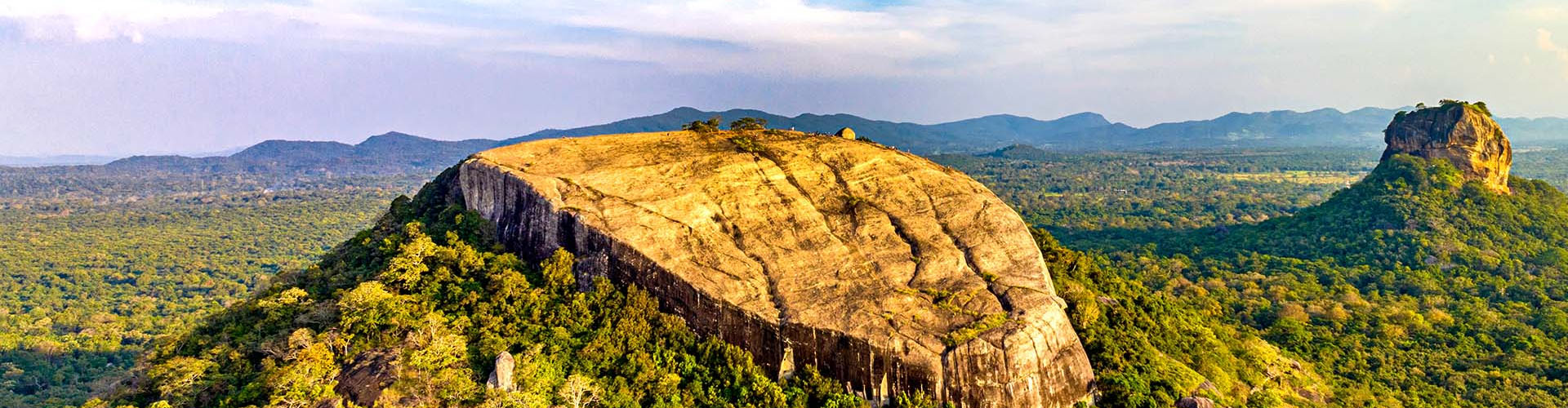
Beyond its religious importance, the temple also provides stunning panoramic views of the surrounding countryside. Visitors who climb to the cave complex can enjoy breathtaking views of forests, villages, lakes, and distant mountains. The elevated location adds to the beauty of the experience and makes the journey to the temple especially rewarding.
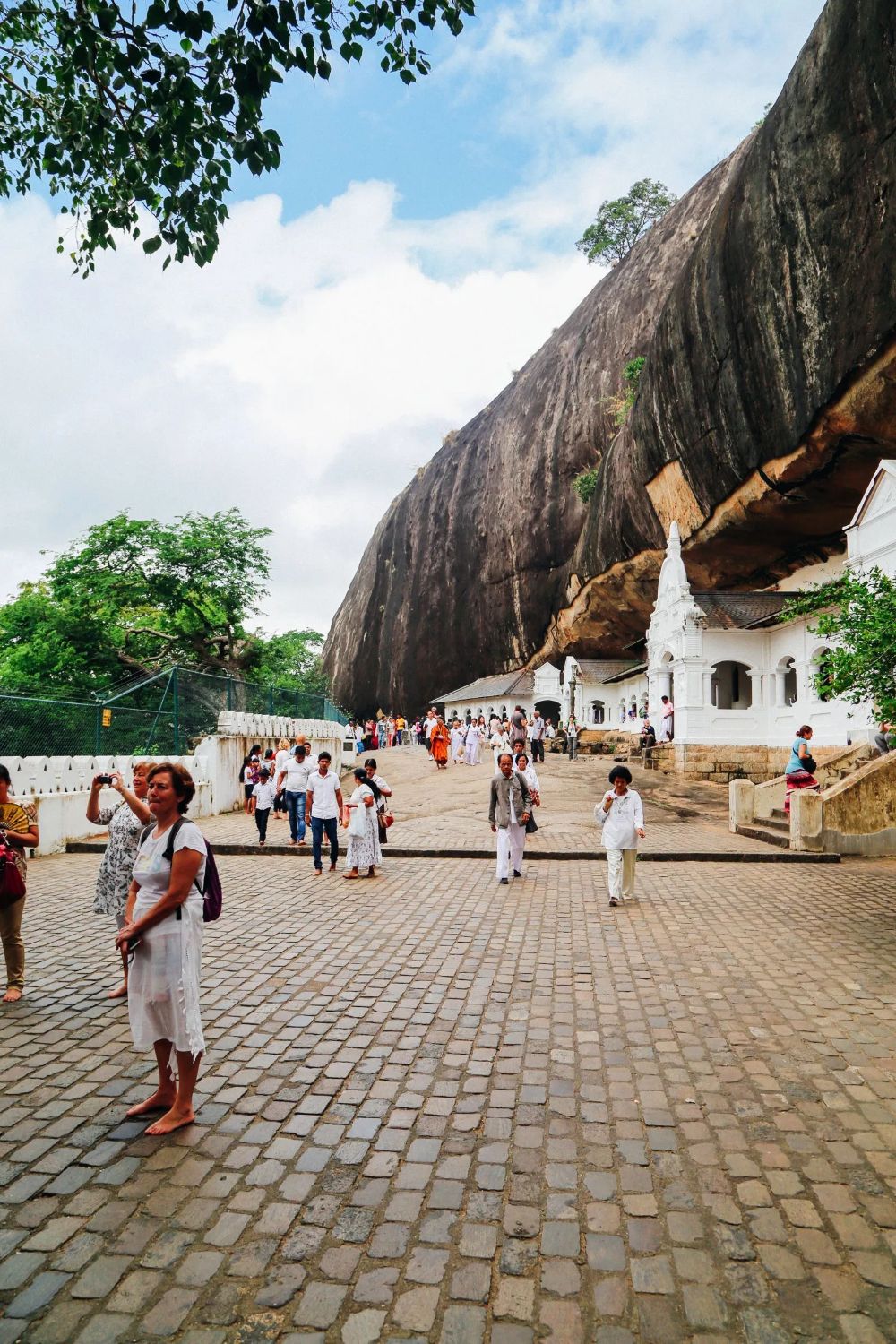
The Dambulla Cave Temple has been recognized as a UNESCO World Heritage Site due to its outstanding cultural and historical value. It is considered one of the best-preserved cave temple complexes in the world and remains an active place of worship for Buddhists today. Pilgrims and tourists alike visit the temple to admire its sacred atmosphere, historical significance, and extraordinary artistic treasures.
In conclusion, the Dambulla Cave Temple is one of Sri Lanka’s most remarkable cultural landmarks. Its ancient caves, magnificent Buddha statues, colorful murals, and rich history provide visitors with a fascinating insight into the island’s Buddhist heritage. Whether admired for its spiritual significance, architectural beauty, or historical importance, the Dambulla Cave Temple offers an unforgettable experience and remains a must-visit destination for anyone exploring Sri Lanka’s Cultural Triangle.